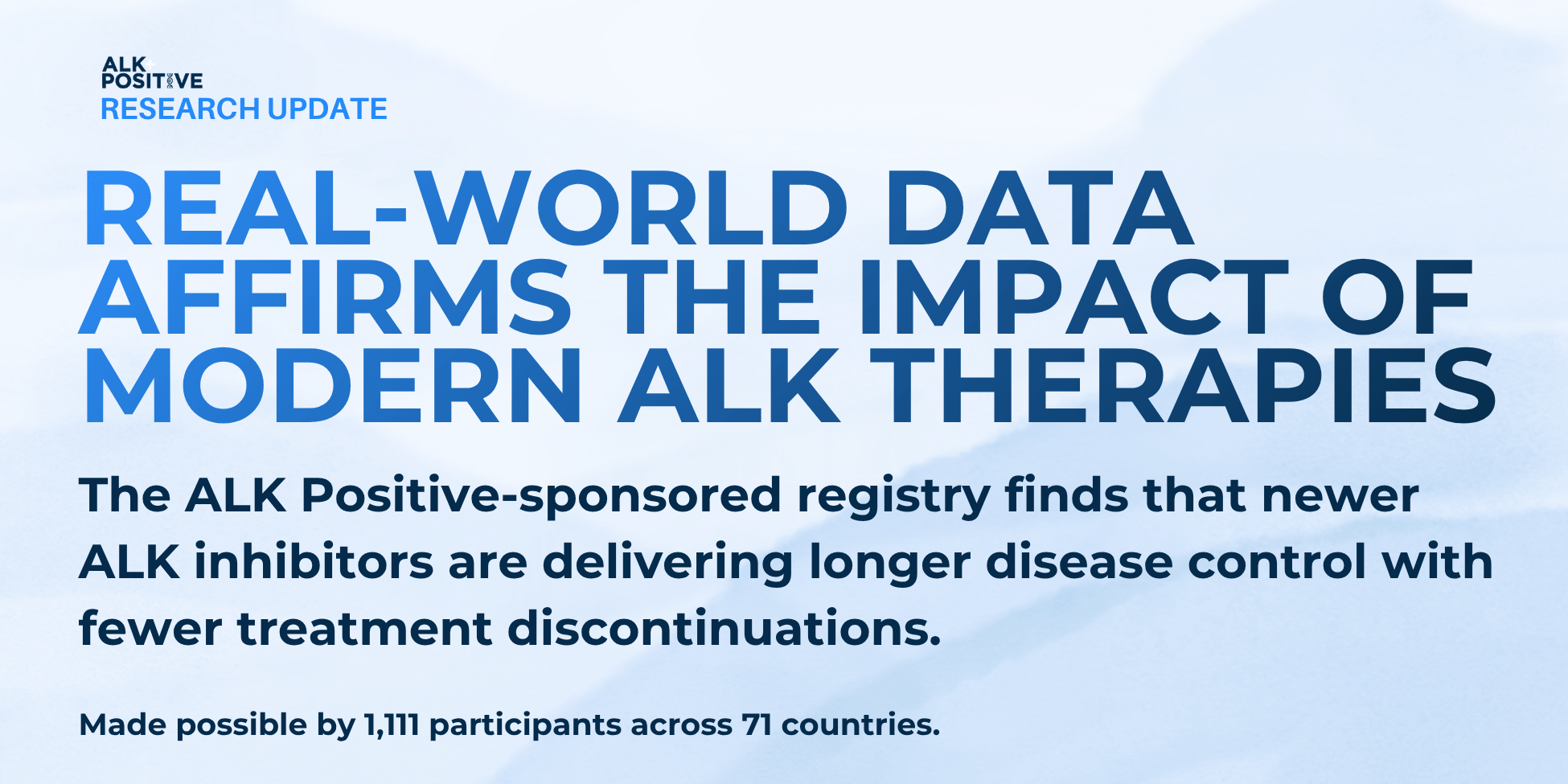
The ALK Life Study, a global, patient-led observational registry and longitudinal survey created by ALK Positive, Inc. for patients with ALK-positive (ALK+) non-small cell lung cancer, has published its findings in JCO Global Oncology.
The study tracks the natural history of the disease, diagnostic timelines, and real-world treatment patterns over time. Led by patient advocate Dr. Colin Barton and conducted by Dr. Morhaf Al Achkar alongside an international team of researchers, this landmark study analyzed data from 1,111 patients across 71 countries.
The results provide powerful proof that the exceptional outcomes seen in clinical trials are successfully translating into everyday clinical practice. Key Findings from the Registry are: Unprecedented Disease Control: Over 60% of all participants remained on their very first ALK inhibitor at the time of analysis, showing long-term real-world effectiveness. Superiority of Modern TKIs: First-line, second, and third-generation targeted therapies (such as alectinib, brigatinib, and lorlatinib) delivered the longest treatment durations. Fewer Side Effects: Modern inhibitors showed significantly lower rates of discontinuation due to toxicities compared to older, first-generation drugs like crizotinib. Clear Treatment Sequencing Globally: The most common and effective real-world treatment sequence was alectinib followed by lorlatinib. Bridging Real-World Evidence and Clinical Trials: These real-world findings strongly complement recent landmark data from the clinical trials. Notably, the latest CROWN trial updates show that 55% of patients treated with first-line lorlatinib remain progression-free after seven years.
Together, the ALK Life Study and the CROWN trial provide undeniable evidence that modern ALK inhibitors are delivering historic, long-term disease control in routine clinical practice. Furthermore, this milestone underscores the profound impact of patient-led research initiatives and ALK-patient participation in clinical trials. ALK Positive, Inc.’s trial advocacy, participation, educational programs, and fundraising are advancing the science for the global lung cancer community.
To read the full published paper, visit: https://ascopubs.org/doi/10.1200/GO-25-00574
Thanks to Colin Barton for creating this program and for contributing this posting.